Every morning, you check your property updates, hoping something changed. It didn’t. One unit has been empty for months. Another just crossed the line where it starts to feel permanent.
You lowered the rent. You listed it everywhere. You even hired help. Still, nothing serious comes through.
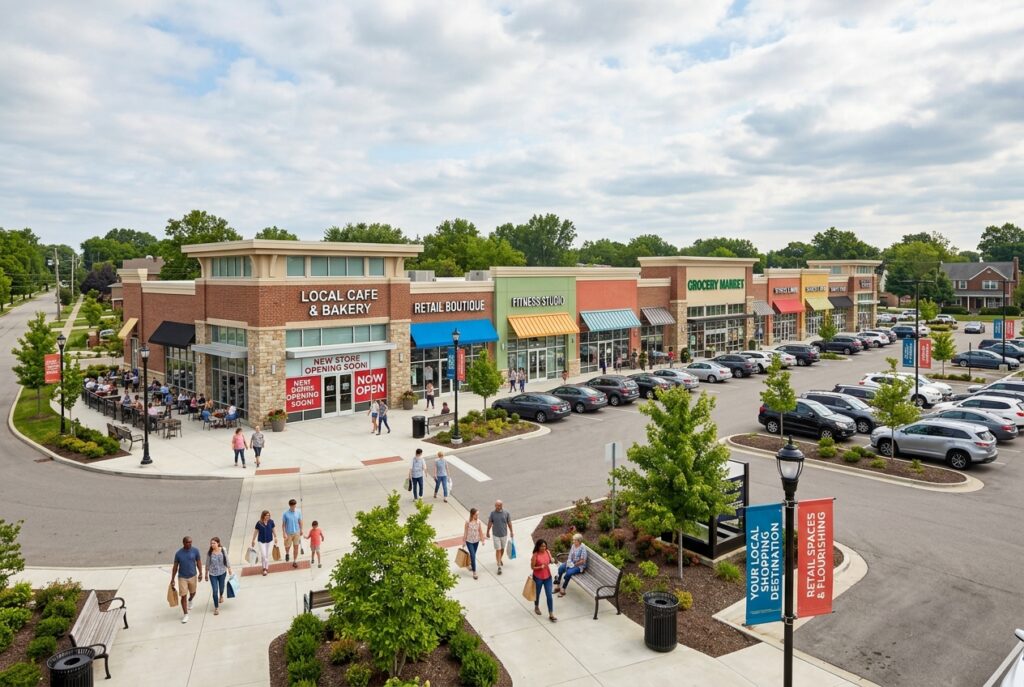
Then you pass a competing plaza nearby. New signs. New tenants. Cars filling the lot. Energy.
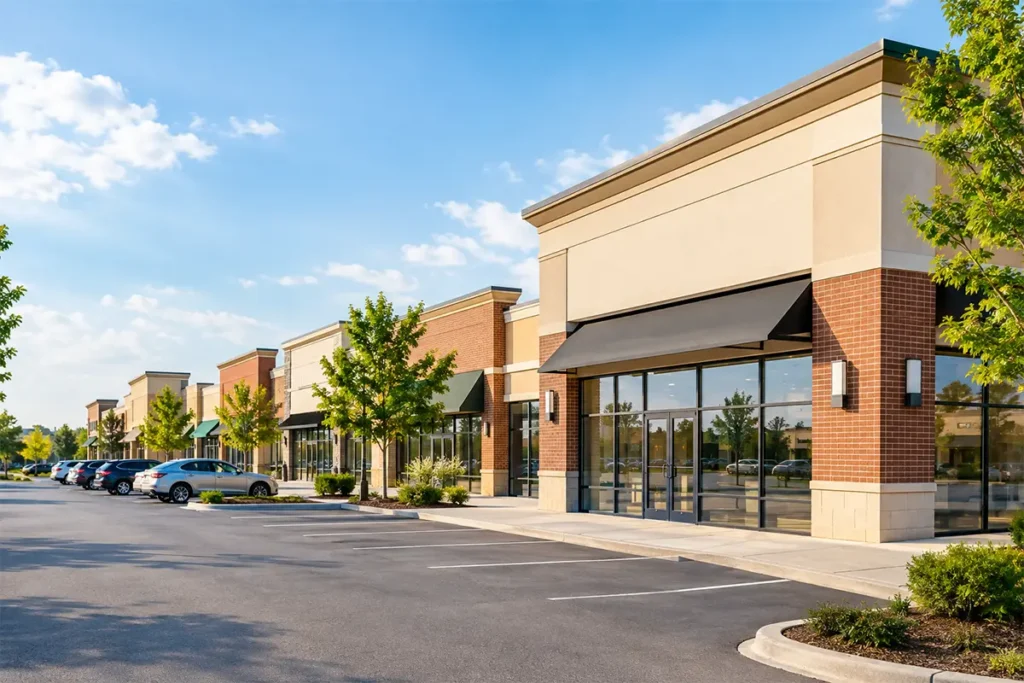
Your property feels quieter now. Slower. Almost invisible.
At that moment, one truth hits hard: empty space is not just space—it is lost income, lost momentum, and lost control. If you want to fill vacant retail space fast in Ohio, you need strategy (along with exposure).
Why Retail Spaces Stay Vacant in Ohio
Vacancy is rarely random. It is usually the result of hidden problems that compound over time.
Pricing Without Positioning
Many landlords assume lowering rent will attract tenants. It doesn’t—at least not the right ones. Price without context signals weakness. Strong tenants don’t chase discounts. They chase opportunity, visibility, and long-term value.
Weak Tenant Mix
A retail center is like a chain. One weak link affects everything. If your current tenants don’t attract steady foot traffic, new tenants see risk. This creates a silent cycle where good businesses stay away.
Poor Visibility and Perception
If your property feels inactive, people assume it is struggling. Even if the space is solid, perception becomes reality. Tenants don’t just lease space—they lease momentum.
The Real Cost of Empty Retail Units
Vacancy looks like a simple problem, but it quietly spreads damage across your entire asset.
- There is direct income loss.
Every empty unit drains monthly cash flow. But the deeper issue is what follows.
- Your property value begins to weaken.
Investors and lenders look at occupancy rates. The lower they go, the more your asset feels unstable.
- Existing tenants start to feel it.
Less traffic means less revenue for them. That pressure builds, and eventually, you risk losing them too.
Vacancy is not a pause. It is a slow decline unless you actively reverse it.
What Most Brokers Won’t Tell You About Leasing
Many landlords rely on brokers expecting results. But most brokers operate reactively, not strategically.
They list your property, wait for inquiries, and show the space. That’s it.
What they don’t tell you is: leasing success depends on positioning before exposure.
Without a clear leasing strategy, even high traffic listings fail. Without targeted tenant outreach, quality businesses never even see your space. Without understanding market demand, pricing becomes guesswork.
Leasing is not filling space. It is engineering demand.
Proven Strategies to Fill Retail Space Faster
If you want real movement, you need to shift from passive listing to active control.
1. Build a Strong Tenant Mix
Think of your property as an ecosystem. Anchor tenants bring consistent traffic. Inline tenants benefit from that flow. When the mix works, businesses support each other.
If the mix is wrong, even great tenants struggle.
2. Target the Right Tenants, Not Just Any Tenants
Not every tenant is a win. The wrong one can damage your property long-term. Instead of waiting for random leads, focus on businesses that fit your location, audience, and surrounding demand.
3. Position Your Property as an Opportunity
Tenants don’t look at square footage. They imagine future success. Show them how your location supports growth—foot traffic patterns, nearby anchors, and local demand.
4. Use Data to Set Smart Pricing
Market rent is not a guess. It is a strategic lever. Price too high, and you scare off interest. Price too low, and you attract weak tenants. The goal is precision, not compromise.
Columbus vs Cleveland Retail Leasing Trends
Ohio is not one market. Columbus and Cleveland behave differently, and understanding that difference gives you an edge.
In Columbus, growth drives demand. Expanding neighborhoods and new developments create opportunities for modern retail concepts. Tenants look for areas with energy and upward movement.
In Cleveland, stability and location matter more. Established corridors, strong community presence, and consistent foot traffic carry weight. Tenants want proven performance.
Treating both markets the same is a mistake. Smart landlords adjust strategy based on local behavior, not assumptions.
Why Landlord Representation Matters More Than Ever
This is where most landlords either gain control—or keep losing it.
A true landlord rep broker in Columbus, Ohio doesn’t just list your space. They analyze your asset, identify gaps, and build a leasing plan designed to attract the right tenants.
The same applies to working with a landlord rep broker in Cleveland, Ohio. Local insight isn’t optional. It’s the difference between guessing and executing.
Landlord representation means someone is actively working to:
- Improve tenant mix
- Increase occupancy rate
- Strengthen your property’s long-term value
Without that, you are reacting. With it, you are leading.
How Anchor Retail Helps You Lease Faster
This is where strategy becomes action.
Anchor Retail approaches leasing differently. Instead of waiting for tenants, they position your property to attract them.
They study your location, your current tenants, and your competition. Then they build a plan that aligns pricing, positioning, and outreach.
They don’t just fill space. They improve how your property performs.
That means:
- Stronger tenants
- Faster deal cycles
- Better long-term stability
When leasing is done right, everything else follows.
Frequently Asked Questions
1. How long does it take to lease retail space in Ohio?
It depends on location, pricing, and strategy. With the right positioning, spaces can lease in months instead of dragging on for a year or more.
2. What is landlord representation?
It means having a broker who works only for you, not the tenant. Their goal is to maximize your occupancy, income, and property value.
3. Should I lower rent to fill space faster?
Lowering rent alone rarely works. It can attract weak tenants and reduce your asset value. Strategy matters more than price cuts.
4. How do I attract better tenants?
Focus on tenant mix, property positioning, and targeted outreach. Strong tenants choose locations that support growth, not just low cost.
5. What makes Columbus and Cleveland different for leasing?
Columbus leans toward growth and new development. Cleveland values stability and established retail areas. Strategy must match each market.
Conclusion
If your retail space has been empty, the problem is not just exposure. It is strategy.
To fill vacant retail space fast in Ohio, you need to control how your property is positioned, who it attracts, and how it competes. That means understanding your market, fixing your tenant mix, and working with the right representation.
Empty units don’t fix themselves. But with the right approach, they don’t stay empty for long.