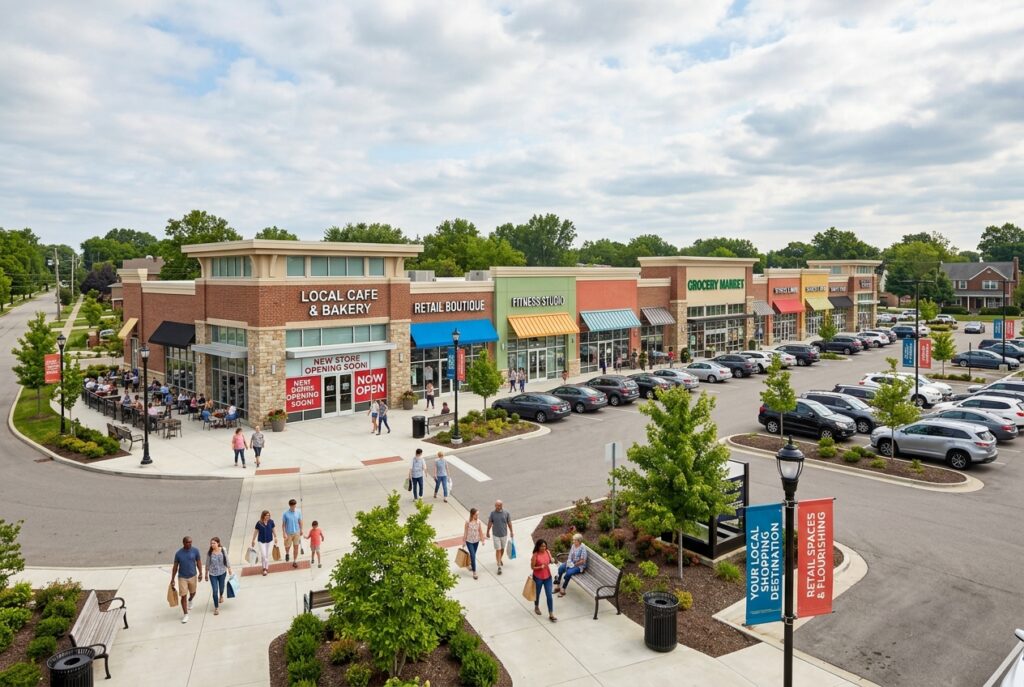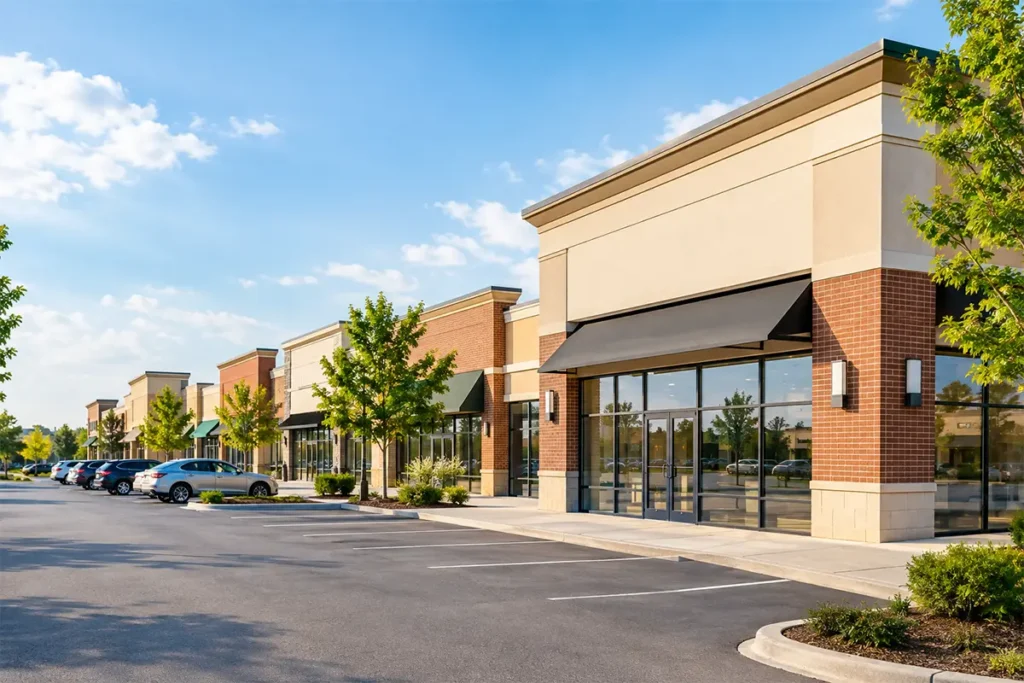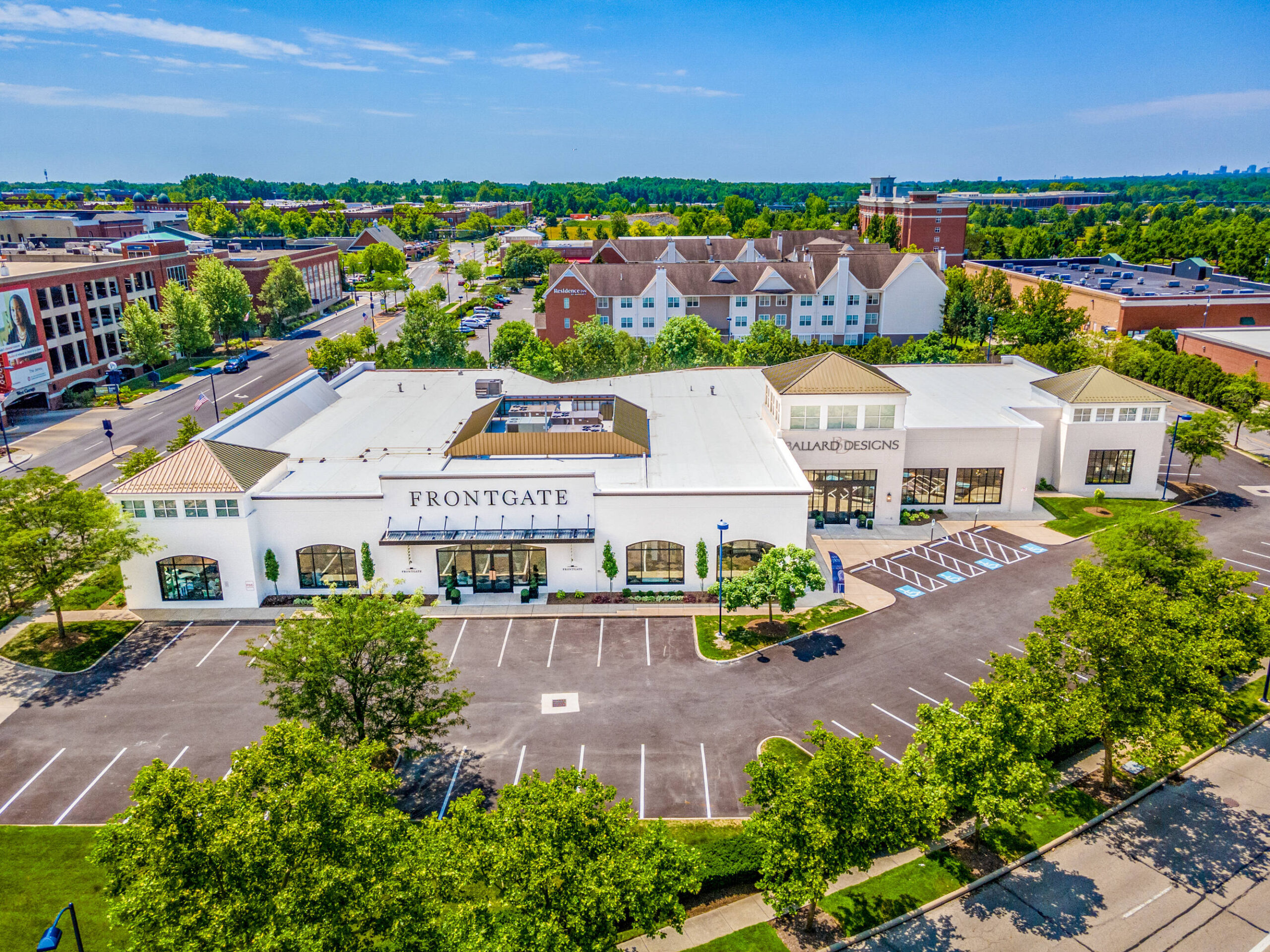
If you are searching for a shopping center for sale, you are likely at a decision point where timing, location, and risk all matter more than price alone. In Cleveland and Columbus, Ohio, retail properties are still active investment assets, but…
Only when you understand how leasing strength, tenant mix, and market demand actually drive long-term value. This guide breaks down what smart investors look at before buying, leasing, or exiting a retail property, so you don’t make an expensive mistake.
In simple terms, a shopping center is a living income system (not just a building). If tenants leave or traffic drops, the entire value of the asset shifts quickly.
What “Shopping Center for Sale” Really Means Today
When investors search for a shopping center for sale, they’re usually looking at one of three types of assets:
- Stabilized centers with strong tenants
- Value-add centers with vacancies
- Distressed properties with declining cash flow
The difference between these three determines if you build wealth or inherit risk.
In Cleveland and Columbus, retail is still active because suburban population growth supports daily consumer demand. However, only centers with strong tenant mix and consistent occupancy outperform inflation.
A weak leasing strategy can destroy value faster than any market cycle.
Cleveland vs Columbus Retail Market Breakdown
Cleveland retail properties tend to be more stable but slower in growth. Many centers rely on long-term local tenants and established neighborhoods.
Columbus is different. It is expanding faster, with stronger demand from:
- National retailers
- Franchise operators
- New residential developments
Areas near Easton Town Center and Polaris Parkway show higher leasing velocity compared to older corridors.
If your goal is appreciation, Columbus often leads. If your goal is stable cash flow, Cleveland offers predictable income patterns.
Understanding this difference is critical before buying any shopping center for sale in Ohio.
Key Red Flags Before Buying a Shopping Center
Before committing capital, smart investors always inspect these signals:
1. Vacancy Rate Trends
A center with rising vacancy isn’t just a leasing issue—it’s a demand issue.
2. Anchor Tenant Stability
If the anchor tenant leaves, foot traffic can drop by 30–60% in many suburban centers.
3. Lease Structure Weakness
Short leases or mismatched rent escalations reduce long-term NOI stability.
4. Declining Foot Traffic
If nearby retail corridors are stronger, your center will struggle regardless of pricing.
5. Deferred Maintenance
Small physical issues often signal deeper financial stress.
These red flags directly impact valuation and buyer confidence.
How Leasing Performance Impacts Property Value
Leasing is more valuation and less operations.
The value of a shopping center is heavily tied to Net Operating Income (NOI). When leasing improves, NOI rises. When NOI rises, property value increases even without physical upgrades.
This is why professional leasing strategy matters.
Key value drivers include:
- Tenant quality
- Lease length
- Rent escalations
- Occupancy consistency
Even a 5–10% improvement in occupancy can significantly shift cap rates and buyer demand.
In simple terms: better leasing = higher resale value.
When You Should Sell Instead of Lease
Many owners hesitate between improving leasing or exiting the property. The decision depends on financial pressure and market position.
You should consider selling when:
- Vacancy continues for over 12 months
- Anchor tenant has left permanently
- Rent growth has stalled
- Maintenance costs are rising faster than income
- Buyer interest is still strong in your area
You should consider leasing when:
- The location still has strong traffic
- Tenant demand exists but is poorly structured
- Small repositioning can increase rent
In Cleveland and Columbus, timing matters more than emotion. Markets can shift quickly based on interest rates and retail demand cycles.
How Anchor Retail Helps Buyers & Owners
Anchor Retail specializes in connecting leasing strategy with investment performance. This matters because most retail losses happen due to poor tenant alignment, not poor locations.
We help with:
- Shopping center leasing strategy
- Tenant sourcing and placement
- Investment positioning for sale
- Market-based rent analysis
- Buyer representation for shopping center for sale opportunities
Strong leasing advisory directly increases asset value and reduces vacancy risk.
You can also explore active opportunities here.
What Smart Investors Look For
Experienced investors don’t just buy buildings. They evaluate systems.
They focus on:
- Occupancy rate stability
- Trade area demographics
- Anchor tenant strength
- Competition density
- Lease expiration schedule
A shopping center with strong leasing structure behaves like a predictable income engine.
A weak one behaves like a constant repair project.
Cleveland and Columbus Investment Outlook
Cleveland offers stable but slower growth retail assets. Columbus provides faster expansion and stronger tenant demand in key corridors.
However, both markets share one truth:
Retail winners aren’t decided by location alone—they are decided by leasing execution.
Centers with active leasing strategies consistently outperform passive ownership.
Common Mistakes Buyers Make
Many buyers lose money because they:
- Focus only on purchase price
- Ignore lease expiration timelines
- Underestimate vacancy impact
- Assume tenants will renew automatically
- Misread local retail demand
These mistakes create long-term financial drag that is hard to reverse.
Decision Framework – Buy, Hold, or Sell
Answer:
- Is occupancy stable or declining?
- Are rents aligned with market rates?
- Is the tenant mix balanced or risky?
- Can leasing improvements increase NOI within 12–18 months?
If answers are mostly negative, selling may be smarter.
If improvement potential exists, leasing optimization is the better path.
Expert Insight
Industry research consistently shows that retail property value is directly tied to leasing performance and tenant stability. When occupancy drops below critical thresholds, buyer interest declines sharply, even in strong markets like Ohio.
Real estate professionals often emphasize that leasing strength is the hidden driver behind cap rate compression and long-term appreciation.
FAQs
1. Is now a good time to buy a shopping center in Ohio?
Yes, but only if the center has stable occupancy and strong tenant demand.
2. What affects shopping center value the most?
Leasing performance, tenant quality, and Net Operating Income (NOI).
3. Should I sell or lease my retail property?
If vacancy is persistent, selling may preserve value. If demand exists, leasing can improve returns.
4. What is a good occupancy rate for a shopping center?
Most investors prefer 90% or higher for stable valuation.
5. Why do anchor tenants matter so much?
They drive foot traffic, which supports smaller tenants and stabilizes rent income.
Final Thoughts
A shopping center for sale is not just a transaction—it’s a strategic decision about income stability, leasing strength, and long-term market positioning. In Cleveland and Columbus, Ohio, the winners aren’t those who buy first, but those who understand leasing performance before they invest.
If you are evaluating a property or planning your next move, Anchor Retail can help you assess real value beyond the surface numbers.