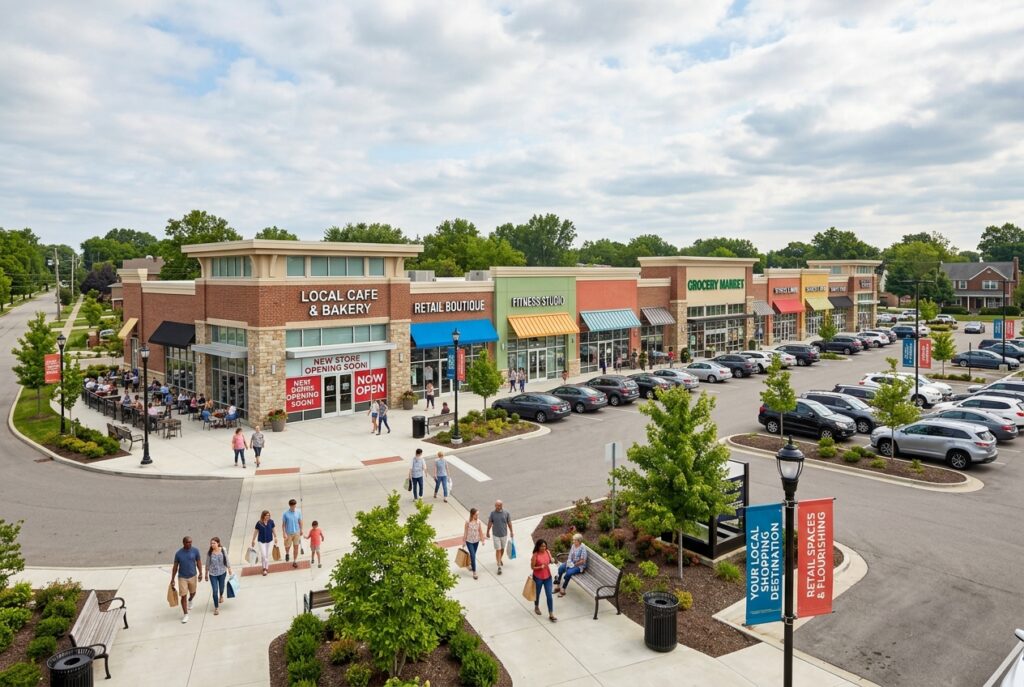
Perhaps you have driven through a busy shopping center in Ohio on a Saturday afternoon, and thought, “how do all of these businesses get filled on a Saturday afternoon?” This is why it’s important to find the right shopping center for lease. The choice of space will affect the flow of foot traffic, your rent, and your bottom line for years to come.
Cleveland and Columbus are two of the more active retail markets in the Midwest right now. The restaurant, franchise, and service business community is growing by the month, and good space does not go unused for long.
If you want to know how to secure best shopping center for lease in Ohio, you are in the right place. This blog tells you the exact formula to upgrade your business with a new space.
How the Ohio Shopping Center Leasing Market Looks Right Now
Retail leasing in Ohio has held up better than a lot of people expected. Suburban population growth around Cleveland and Columbus keeps daily consumer demand steady, and that demand supports occupancy even when other property types struggle.
Cleveland has a stable pace, with many centers anchored by enduring local tenants inside established neighborhoods. Columbus tells a different story, with national retailers, franchise operators, and new residential development pushing leasing activity higher, especially along corridors like Polaris and Easton.
Regardless, you should choose the space that match your business model and your customers. Budget is an important factor but for long term stability, you need to look after all the factors.
The Types of Space Inside a Shopping Center for Lease
The unit in a retail center works differently. Knowing the difference helps you negotiate smarter.
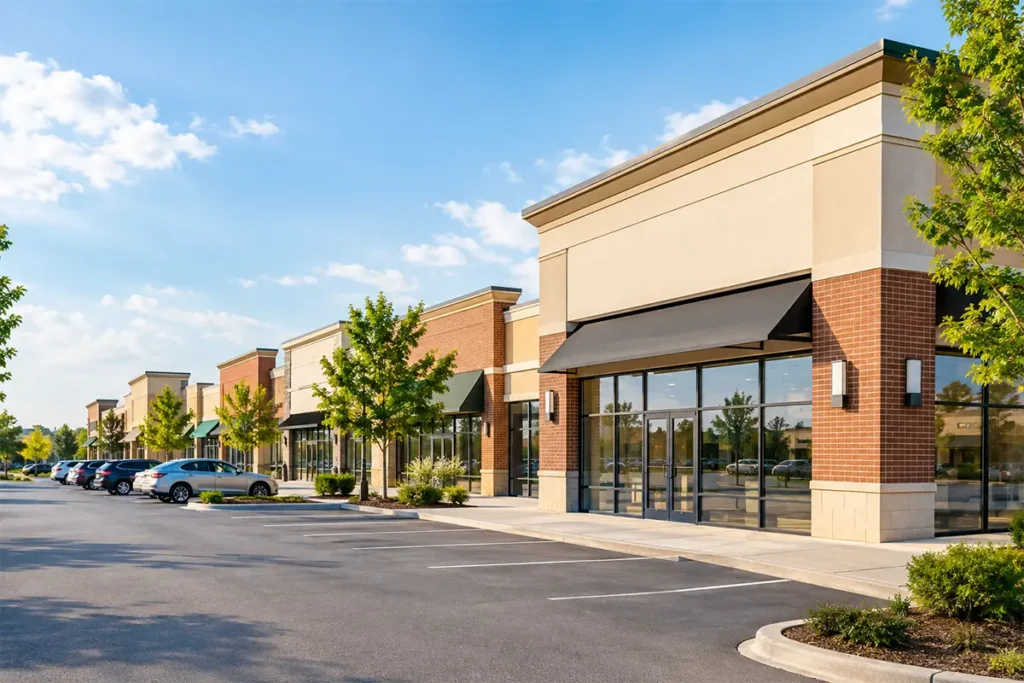
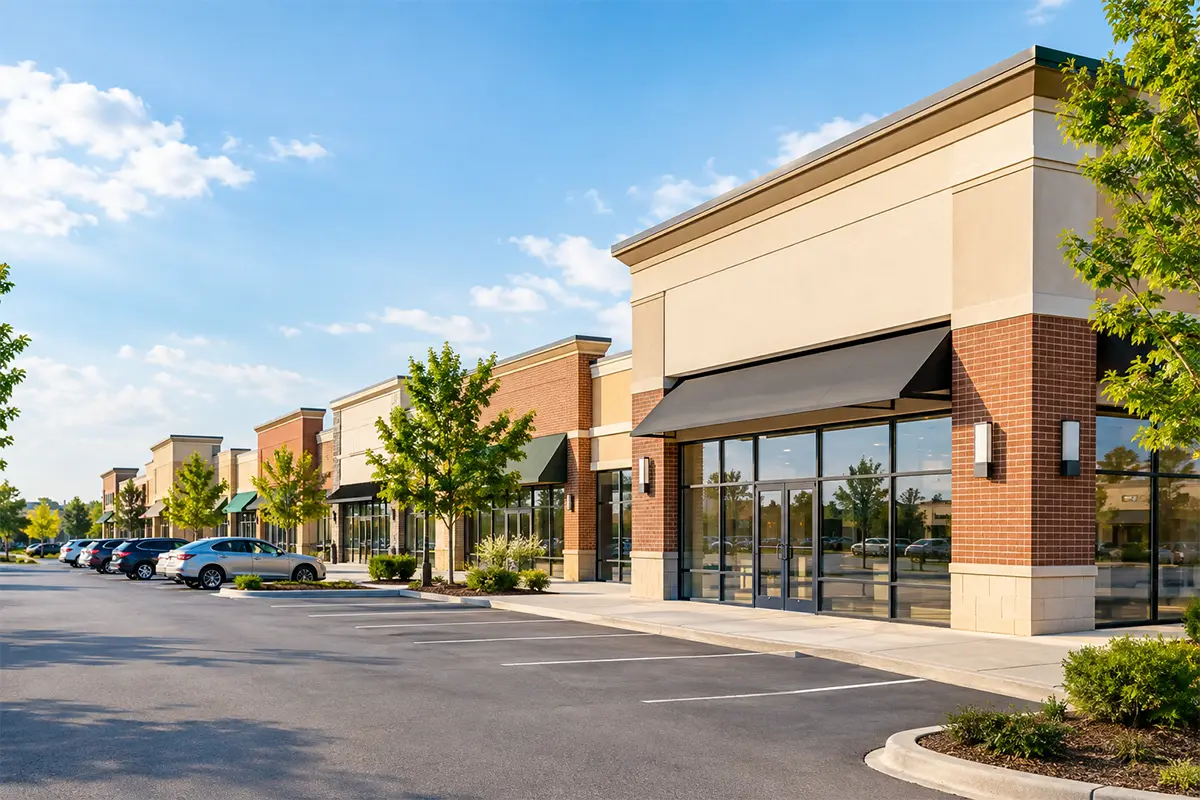
Inline space sits between other stores and works well for boutiques, salons, and service businesses that rely on walk-by traffic. Endcap units sit at the corner of a building and offer better visibility, and sometimes room for a drive-thru lane.
Outlots are freestanding buildings inside a larger center’s parking lot, often used by banks, quick service restaurants, or auto service brands. Mall rental space typically relates to areas within a larger mall, enclosed or open-air, and mall lease space is around a particular retail classification, such as home goods or fitness.
Because each layout adjusts your rent per square foot and the way your lease is structured. Working with someone who knows the local Ohio market makes a great difference before signing any lease.
Shopping Malls Are Different from Traditional Shopping Centers
Although the terms “mall” and “shopping center” are used interchangeably. But their leasing agreements are not necessarily same.
A shopping mall rental has greater common area maintenance requirements and stricter design requirements, along with possibly percentage rent based on sales generated each month. A traditional open-air shopping center lease offers minimal restrictions on signage, fewer build-out requirements and is more flexible.
Both choices are not a clear-cut better. Perhaps a property in a mall location attracts more consistent foot, while a smaller mall property may be open sooner with a lower base rent. It really depends on the brand and the speed at which you need doors to open.
Do Businesses Prefer to Own or Lease Their Storefronts?
This is a pretty common question among first time tenants, and the answer is: Most businesses lease rather than own.
Buying ties up capital that may be used for other projects, such as inventory, staffing, and marketing, but leasing provides flexibility when it comes to relocating or expanding your business. We sometimes see this typed almost exactly the way people search it online: do businesses own or lease New Pointe Shopping Center space, using one specific property as a stand-in example.
The answer holds whether you are asking about a center by that name or any other property across Ohio. In the large majority of shopping centers, the landlord owns the real estate and businesses lease their units under multi-year agreements.
Ownership still makes sense for certain investors, or a business planning to stay in one spot for decades. It comes down to your growth plans and how much control you want over the building.
Where Should You Actually Search for Space?
Most tenants start their search online, and that is a smart first move. National sites like LoopNet, Crexi, and CoStar list thousands of properties and are genuinely useful for getting a feel for pricing and availability across a market.
But when people ask about the best online platforms for shopping center leases in Ohio specifically, the honest answer is that broad national sites only get you part of the way there. Listings are not always updated in real time, and they rarely include off-market opportunities or local context.
A regional brokerage’s own listings page usually gives you a more current picture, along with details a national database will not have, like anchor tenant history or nearby lease expirations. Pairing a national search with a local expert remains the most reliable way to land the right shopping center for lease.
Things You Need to Review Before You Sign Anything
Here are some considerations for you to review before you sign anything. Prior to finalizing any shopping center that you wish to lease, consult with your broker and attorney about this short list:
- Determine the annual rent and escalations.
- Common area maintenance (CAM) charges and calculation of such charges.
- The length of the lease and the option for renewal
- Large customers who ensure that the other service provider doesn’t open up nearby
- Having co-tenancy clauses tied to occupancy of anchor tenants
- To whom do repairs, taxes, and insurance belong?
All of these line items have an impact on your actual cost of occupancy, and that is not only the base rent that is written on the flyer. It may be more expensive than it appears on paper if CAM charges are included.
How Anchor Retail Helps You Find the Right Space
Anchor Retail is a retail and investment commercial real estate brokerage firm based in Beachwood (Cleveland) and Columbus, OH. For years, we have been advocating on behalf of tenants and landlords throughout the Midwest, and we know both sides when it comes to negotiations.
Our tenant services team assist you in selecting the ideal location, analyzing traffic patterns and demographics and negotiating lease agreements that benefit your company in the long-term. We’ve worked with national brands like PetSmart, AutoZone and Panera Bread, as well as new businesses opening their first storefront, and our landlord services and property management teams are working on the other side of the table to see that centers are kept leased and well managed.
We are active members of ICSC and enjoy long-term relationships with landlords and developers throughout Ohio, which frequently means access to space at times before it has hit the public market. When you are prepared to look at a shopping center to lease our current shopping center listings are a great place to start.
Final Thoughts
Finding the right shopping center for lease is not just about square footage and rent. It is about picking a location that fits your brand, negotiating a lease that protects your business, and working with a team that knows the Ohio market well enough to guide you through the fine print.
If you are ready to start your search, explore our current listings or reach out to the Anchor Retail team. We would be glad to help you find a space where your business can grow.
Frequently Asked Questions
Is it better to lease or buy retail space in Ohio?
Most small and growing businesses are better off leasing. It requires less upfront capital and keeps you flexible to relocate or expand as your needs change.
Do businesses own or lease space in a shopping center like New Pointe Shopping Center?
In most Ohio shopping centers, the landlord owns the property and businesses lease their storefronts under multi-year agreements. Outright ownership by an individual retail tenant is far less common.
Do I really need a shopping center lease attorney?
Yes. A commercial lease is a binding legal document, and an attorney can catch costly clauses your broker may not be authorized to interpret, especially around CAM charges and exclusivity rights.
What are the best online platforms for shopping center leases?
National sites like LoopNet and Crexi are useful starting points, but pairing them with a local brokerage’s listings page gives you more current information and access to space that never gets publicly advertised.
How much does mall rental space typically cost in Ohio?
Pricing varies by market and location, but retail rates across Cleveland and Columbus generally run from the mid-teens to the low twenties per square foot, depending on visibility and center type.