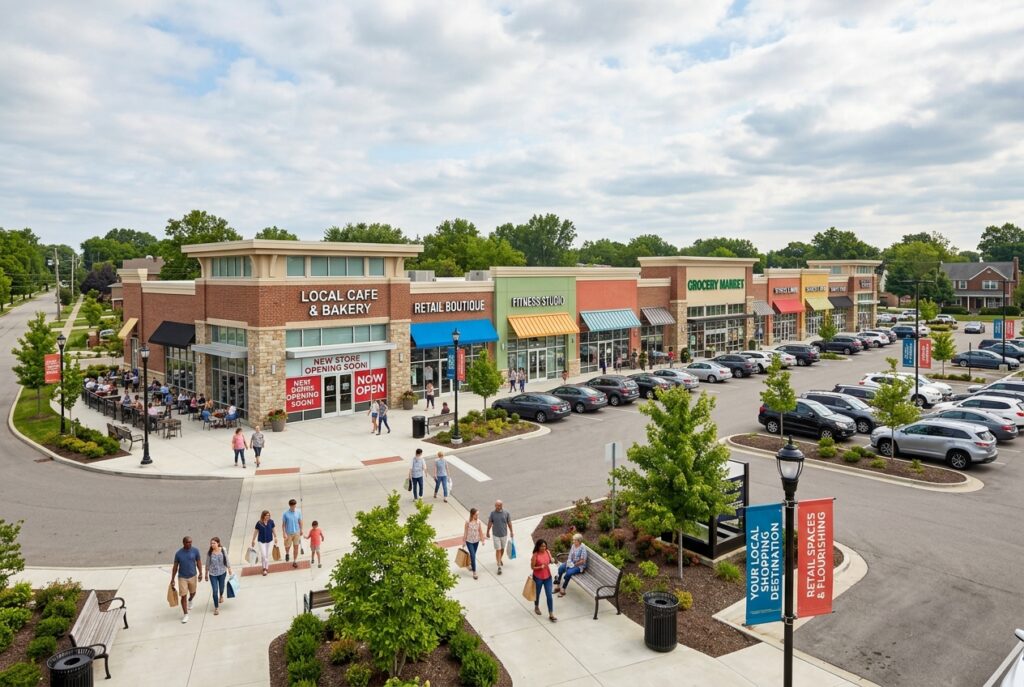
A retail space can sit empty when its asking rent misses the market. Set it too low, and you give away income. Cleveland’s owners should price space using leases, property features, demand, and full terms. A clear plan attracts retailers and protects income. CRE landlord representation services help you test the asking rate. That matters when nearby spaces compete for the same qualified local retailers.
Start With Comparable Retail Properties
Start with recent leases for spaces like yours in the same trade area. Compare size, frontage, visibility, access, parking, condition, and nearby businesses. A small shop on a busy corner may command a different rate from a larger unit set back in a shopping center.
Ask what similar spaces actually leased for, not only what owners are asking. Listing prices show competition; completed deals offer better evidence of what tenants agreed to pay. Check the dates, too. Older leases may not reflect current demand.
RICS states, “Market rent will vary significantly according to the terms of the assumed lease contract.” Lease length, rent reviews, maintenance duties, and outgoings all matter. Compare the full package: base rent, expenses, concessions, term, and landlord costs.
Look Beyond the Asking Rent
Two properties can advertise the same rent but deliver different income. Tenants may pay taxes, insurance, and maintenance in one lease, while the landlord covers them in another. Free rent, improvement allowances, and rent increases also affect an offer.
Compare deals on the same basis. Check if rent is gross, modified gross, or triple net, and who pays each cost. A higher base rent may not mean more income if you cover major expenses or offer concessions. Owners should also check tenant-paid operating costs.
Measure What Makes Your Property Valuable
Tenants need space that works for their business. Visibility, entry, signage, parking, loading access, and floor plan affect appeal. Restaurants may need venting and utility capacity; medical users may need a different layout.
Condition matters. A ready-to-use unit can reduce opening costs. An older space that needs repairs or major improvements may require a lower starting rent or a landlord contribution. Price the space as it stands, not as it might look after work.
Consider the tenant mix, too. Complementary businesses can give customers more reasons to visit a center. A poor fit may create conflict or weaken neighboring units. The right rent should support a tenant who fits the property, not just the first business willing to sign.
Read the Cleveland Retail Market
Market averages offer context, but they can’t price an individual unit. Matthews reported Cleveland’s retail asking rent of $16.07 per square foot in Q3 2026. Colliers reported $16.72 across Northeast Ohio in the same quarter. The reports cover different areas, so the figures aren’t direct substitutes. Colliers described leasing activity as “selective,” with tenants favoring established centers and higher-quality space.
Local conditions vary by corridor and property type. Matthews reported 4.9% vacancy across its Cleveland coverage, while the Rockside Corridor stood at 0.8%. A citywide figure can’t tell an owner what one space should earn. A property in a strong trade area may have more pricing power than a center with weak traffic or older competing space.
Use reports for direction. Ask local brokers about recent deals, tenant needs, competing vacancies, and expanding retailers. Nearby spaces may offer better access or incentives.
Know When to Adjust Your Asking Rent
Set review dates when the space goes to market. Track inquiries, qualified prospects, tours, offers, and reasons tenants decline. Many inquiries but few tours may point to unclear marketing. Tours without offers may signal issues with rent, condition, layout, or lease terms.
Don’t cut rent after one quiet week. Look for patterns and compare feedback with competing spaces. You may need better photos, repairs, a different tenant target, or more flexible terms. A rent reduction is one option, not the only response.
How CRE Landlord Representation Services Help
CRE landlord representation services can help you set rent and find the right tenant. A retail broker reviews the property, studies nearby rents, identifies tenant gaps, and compares ownership goals with market conditions. This turns a hopeful asking price into a supported leasing strategy.
Anchor Retail’s landlord services include market analysis, property analysis, targeted marketing, tenant qualification, and negotiation. Its landlord services cover power centers, neighborhood centers, urban buildings, and mixed-use developments. Our leasing work aims for “long-term results rather than short-term fixes.”
A commercial real estate landlord rep assesses offers beyond the headline rent, including lease structure, concessions, tenant fit, and proposed terms. So, if you’re seeking a landlord rep broker in Cleveland, Ohio, local deal knowledge can keep the asking rate grounded in the market.
Frequently Asked Questions
1. How is retail market rent calculated?
Brokers compare recent leases for similar spaces, then adjust for location, size, condition, visibility, lease terms, and concessions. The result is a supported range, not a guaranteed rent.
2. Should I match nearby retail rents?
Not automatically. Check if those spaces have similar access, condition, visibility, size, and lease terms. Asking prices may not match completed deals.
3. How often should I review my asking rent?
Review it during the campaign and when conditions change. Use prospect feedback, competing vacancies, and recent lease evidence to guide changes.
4. Does higher rent always mean a better deal?
No. Free-rent periods, improvement costs, or weak tenant credit may make a lower offer more valuable.
5. When should I hire a retail landlord broker?
Consider a broker for lease comparisons, tenant outreach, offer reviews, or negotiations. A broker helps when marketing fails.
Set Rent With Evidence, Not Guesswork
The right rent balances market evidence with your property’s features and costs. Compare leases, review demand, and track feedback. Explore Anchor Retail’s landlord representation services or contact our team today about your property in Cleveland.